What is Structural Integration?

Why is Fascia Important?
When healthy and balanced, fascia provides structure and support while allowing for flexibility and movement. However, physical injuries, repetitive work, emotional trauma, and chronic holding patterns can cause the fascia to tighten and thicken in certain areas, which can restrict movement, hold joints in unhelpful positions, crowd organs, muscles and bones, and cause pain. Because fascia is a system-wide continuous network of tissue, the problems and imbalances are most effectively addressed with a systematic, whole-body approach— more often than not the area that is presenting with pain is not where the root of the problem is!
Also referred to as “rolfing,” Structural Integration works with the body’s connective tissue matrix known as fascia.
Over the course of multiple sessions (usually 10), the practitioner will free up, lengthen, and balance this tissue in the entire body, while helping the client find new and lasting patterns of movement and support.
The result is a body in alignment that works efficiently— with greater ability, less pain, and more ease. This is the goal of Structural Integration.

My goal as a Structural Integration practitioner is to assess an individual’s current alignment patterns and restrictions, and over a series of sessions work to ease the restrictions, make space for all the structures, and bring the body into its highest functioning balance and alignment. When all parts are functioning well together, we call this integration.

The 10 Series
The Foundation of Structural Integration
Developed by Dr. Ida P. Rolf, creator of Structural Integration, the series consists of 10 individual bodywork sessions designed to systematically align and balance the entire body. This is accomplished by manual manipulation and organization of the fascia, as well as movement re-patterning and education. Each session has its own area of focus, and the sessions build on each other.
No commitment is necessary to start the process and you are in full control to decide if the work feels right for you as we go. Session one is a great introduction to the work, and stands alone well if you decide not to continue for any reason.
The 10 series is often completed in about 10 weeks, but can be completed in more or less time with good results. We can schedule your sessions in a way that works best for you, and there are some good stopping points in the series if you need a break.
This work can create long lasting changes, and for some it is life changing, or helps to begin a process of further transformation. Results are improved when the client is actively engaged in body awareness and movement re-patterning, both during and between sessions. We will work together to make the most of your sessions, and to give you tools to continue your progress.
Each session will begin with a brief visual assessment of your posture and check-in with you about how your body is feeling. Depending on where we are in the series, the area of focus will vary, and the sessions can vary in length from 75-90 minutes, depending on how quickly the goals of the session are achieved. Typically each session will include work on the neck and back.
The work itself can include a variety of techniques, and the depth and intensity of the work can also vary. Sometimes it feels like a pleasant release of tension, other times it can be a bit more intense, but we will be in constant communication to make sure the work is within your physical and emotional comfort level.
WHAT TO EXPECT

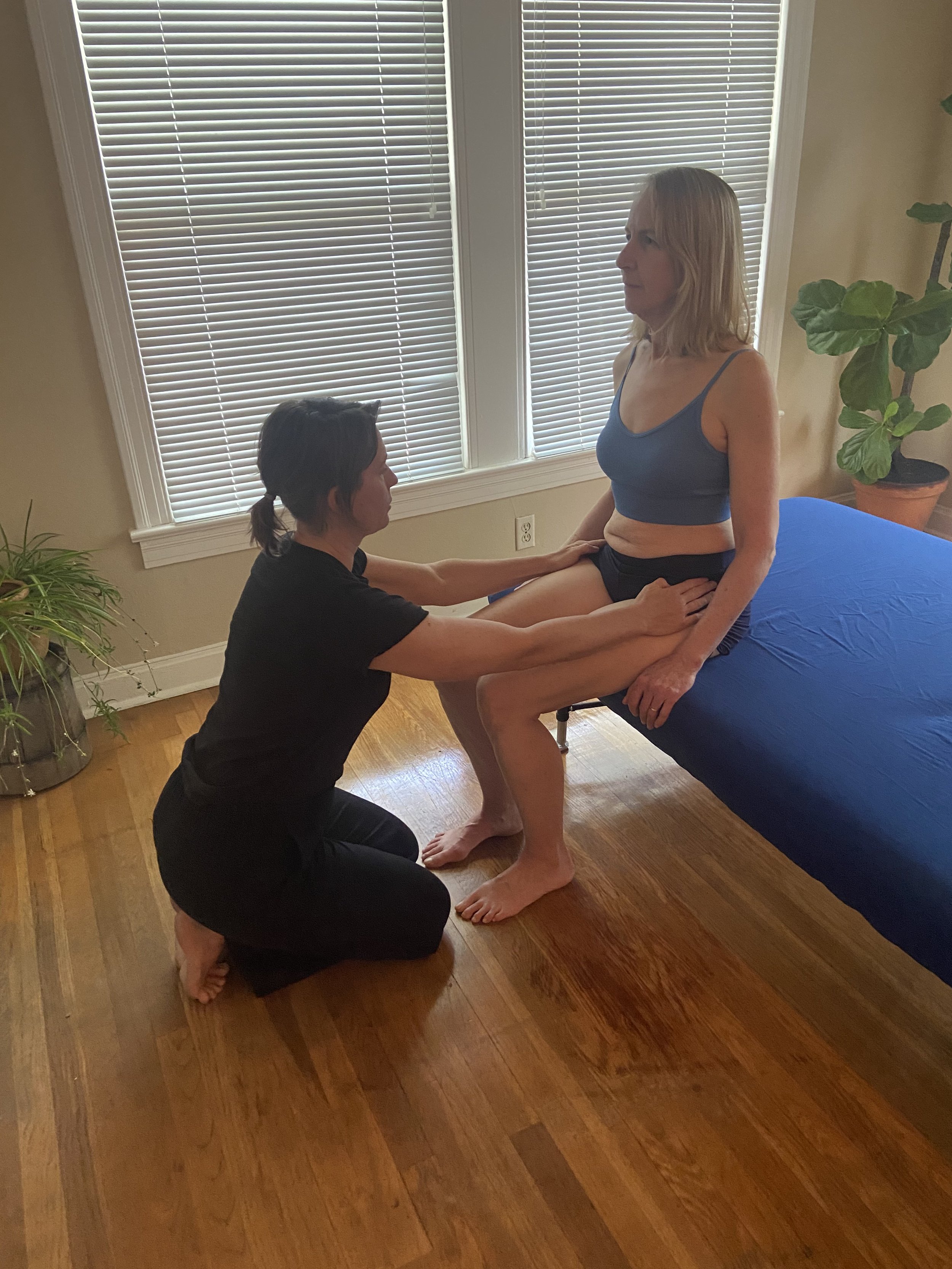
For much of the session the client will be positioned lying down on a padded table, but we may also do work seated or standing. At times I may ask for a specific movement while we are working, such as flexing the knee or foot back and forth slowly. Incorporating movement can help open restricted tissues more effectively, re-pattern habitual misalignments, and develop more sophisticated body awareness, all of which will promote more lasting changes.
The work is flexible and can be customized to accommodate different abilities or limitations, helping you find the next improvement that is available to you at the time.
A Closer Look at the 10 Series
Sessions 1-3
Opening the Superficial Fascia
Session one starts by freeing the breath by opening the fascia around the rib cage, spine and abdomen, and begins work on the arms, hips, and shoulders. Session two goes to the foundation of support and addresses the feet, ankles and lower legs, and helps cultivate extension in the back. The third session brings mobility and balance to the shoulder and pelvic girdles.


Sessions 4-7
Deeper Work to Balance and Free the Core Structures
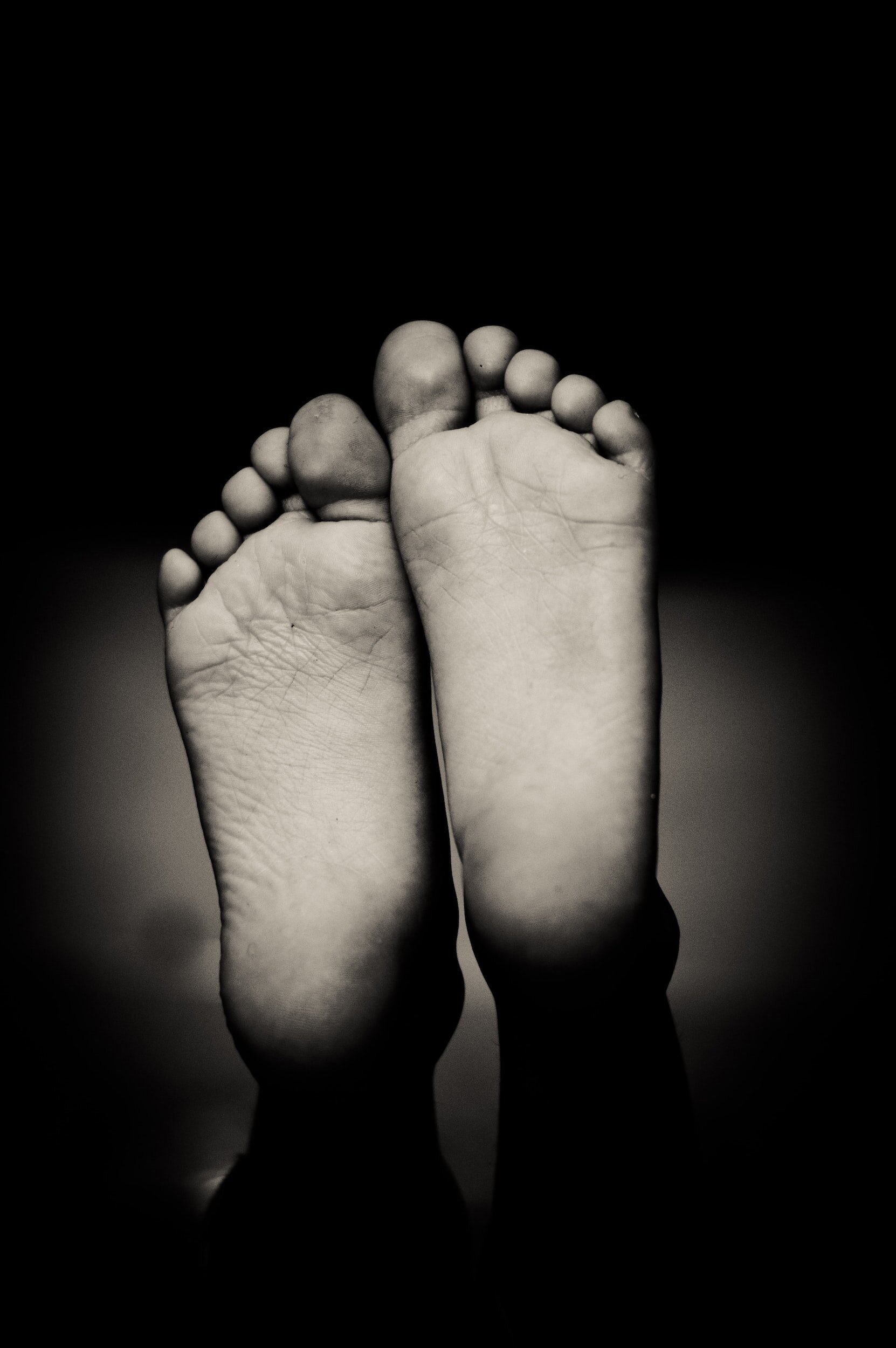
Session four addresses the fascia associated with the adductor muscles and their relationship to the inner leg line from foot to pelvis. The fifth session continues the work for core support by balancing the rectus abdominus, psoas and lumbars. Session six helps to support and ground the back of the body through the posterior leg line and helps free the deep hip rotators and sacrum. Session seven continues the integration of the spine up though the neck and head.
Sessions 8-10
The Integrative Sessions- Putting it all Together
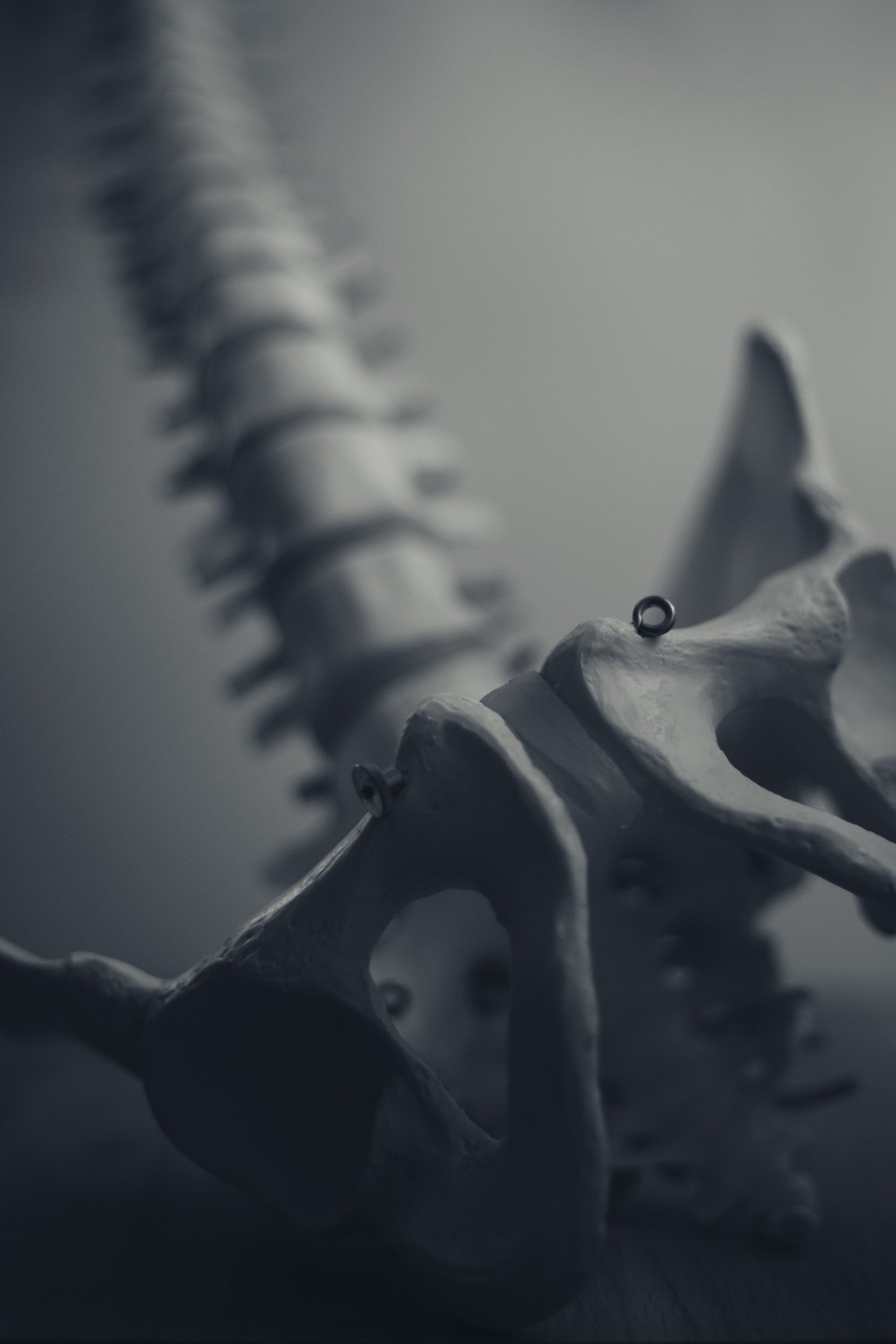
These sessions allow time to continue improving the function that was gained in the earlier sessions, and start to cultivate a smooth relationship among all the parts. Sessions eight and nine focus on balancing the entire upper or lower body as it relates to the core, with an emphasis on movement and relational functionality. The tenth session is a whole body integration, completing the series and evoking a sense of balance, ease, and vitality.

After the Series
Once you’ve been through the series, yearly tune-up sessions can keep you moving forward. It is best to wait three to six months for your first tune-up, to give your body time to assimilate the changes made in the series. Sometimes the body continues to change weeks or months after the series. After that you can schedule tune-ups when you feel you need them, usually 1-3 sessions. Many find that once a year tune-ups keep them on track, or you may want to come more often, such as after an acute injury. Some people also pursue advanced work with practitioners who have advanced training in structural integration.

Frequently Asked Questions
-
SI is a wellness therapy that supports your body in whatever it is going through. Nearly everyone will experience improvements in posture, mobility, ability, and range of motion. Often chronic pain is decreased, energy is increased, and people report feeling a sense of lightness, groundedness and wholeness in their bodies. The work can also result in physiological improvements in digestion, immune function, endochrine function, and circulation.
For some there can be profound emotional changes as well, as this work can help people move through difficult emotions, release protective holding patterns that are no longer needed, and transform their perspectives of themselves and how they move through the world.
Some may seek this work to support the process of healing from old or new injuries or illnesses. Others need help combating repetitive strain from a job or a hobby. Some may be well but might want to further optimize how they feel in their bodies. Anyone can benefit from Structural Integration, though people often find this work when they are ready to make a profound change.
-
Some massage methods do work with fascia and connective tissue. The hallmark of structural integration is the whole-body approach using Dr. Rolf’s 10 series. Rolfers are trained to see the form and function of the entire body as it exists within the forces of gravity, and to balance this tissue with an eye for how each unique body can best function dynamically as a whole. Creating change and balance in the entire structure at once is what can actually transform someone’s pattern into a more functional one, and what allows the changes to stick.
-
Structural Integration was created by Dr. Ida P. Rolf, a woman from New York who held a PhD in biochemistry from Columbia University. She devoted her life in the 1930’s and 40’s to studying the body and exploring ways to help people overcome pain and illness that were not responding to conventional western medicine. Through study and experimentation she developed structural integration, which had a profound impact for many people. By the 1960’s she was teaching SI to her chosen students and eventually founded the Guild for Structural Integration in Boulder, CO. She lived, worked, and taught until her passing in 1979. Her work is currently being taught and practiced all over the world.
-
I practice a trauma-informed approach, and believe that our bodies are more open to change when our nervous systems are regulated and our autonomy is deeply respected. While rolfing in the 1970s was known to be more heavy handed, the practice has evolved, along with our understanding of the nervous system, to achieve equally effective results with a more slow and gentle approach.
That said, structural integration can feel different ways, depending on what layer of tissue we are working in, and what kinds of restrictions we are working through. Many people find that the work feels like a pleasant stretching or release of tension, and that when it is sometimes more intense, that it “hurts in a good way”, as deeper restrictions let go. During a session we will be in constant communication about how things feel, and I will adjust the speed and depth of the work as needed. The goal is for you to be an active participant in your process, and feel empowered to welcome the changes that we create together.
-
This can vary based on a number of factors. Many people find their initial rolfing 10 series to be life changing, as it can open up new possibilities for support and movement that they didn’t know were available. For many the changes last for years, especially with yearly tune up sessions. For people with more severe injuries or challenges, and for those who have been in those patterns for decades, more frequent work might be required, or they may choose to repeat the series a few times over the course of years, as tissues can sometimes change slowly. It is most effective to take time off from rolfing after receiving a 10 series, as the body continues to change and integrate for up to a year after.
-
This work is typically done with the client wearing undergarments, so that they can sit, stand and move as necessary through out the session. Most people choose to wear underwear and a bra or camisole. Shorts that are easy to move around are also a good option. Please avoid “shape wear” or constrictive athletic clothing, as well as boxer shorts. If you have concerns about what to wear, let me know, and we can make sure to find an option that you are comfortable with.
-
My rate is $160, due at the end of each session. I accept cash, check, or venmo.
-
Tipping is not necessary or customary for Structural Integration
-
Most health insurance unfortunately does not cover structural integration.
I can offer receipts for reimbursement from a Health Savings Account.
-
Yes! Bodywork is a wonderful gift that people love, and a great way to introduce someone to structural integration. I can mail beautiful gift certificates to you or your loved ones for any amount.
Still Have a Question?
Ready to Book?
Please feel free to ask me anything. You can call, text, or email, or use the contact button below